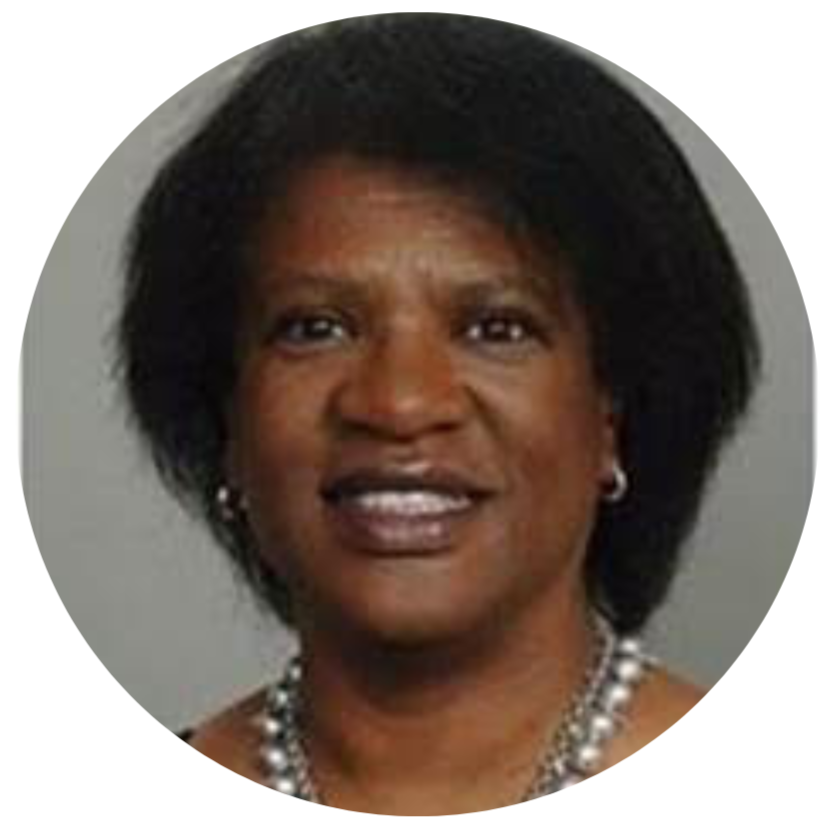
“I was overjoyed and impressed by the efforts that had been made [in the verbatim record matter] since I was last involved in the issue in 2023. I have not seen such a well orchestrated and powerful presentation of community support in all my years practicing as a legal aid attorney.”
—Betty Nordwind, Former Executive Director, Harriett Buhai Center for Family Law |
|
|
|
- FVAP Speaks: Immigrant Rights and Domestic Violence
-
Oral Argument Scheduled: Don't Delay Restraining Order Hearings Because Respondents Face Criminal Prosecution
- Celebrating Our Team: FVAP Attorneys Appointed to Advisory Committees
- Case Alert: AG v RM: Indirect contact by itself can disturb the peace
- A Lifeline to Justice: Training Seminars Coming in 2027
-
Job Posting: FVAP is Hiring!
- Board Member Spotlight: Michelle Osborne
- Free Resources: Survivors’ Rights in Housing
|
|
| |
|
Last week, stakeholders across California gathered to talk about what our Supreme Court win means for survivors and what it will take to make it real in every courtroom. Help us carry this across the finish line — your gift today helps make sure every survivor gets the record they need. |
|
|
|
FVAP Speaks:
Immigrant Rights and Domestic Violence |
Under the current presidential administration, immigration enforcement can happen virtually anywhere, including courthouses. As numerous media reports have made clear, many people have been arrested at California state courthouses while trying to obtain the justice that is their inalienable human right. These arrests have deterred others from going near a courthouse, which usually means they cannot access justice unless they risk arrest or detention. Unfortunately, state law and judges often require litigants and witnesses to appear in person instead of remotely, including for family law and restraining order matters.
Earlier this year, we joined a coalition with Inland Coalition for Immigrant Justice, Coalition for Humane Immigrant Rights, and California Partnership to End Domestic Violence, to work with Senator Susan Rubio on Senate Bill 882, which would have removed a judge’s ability to deny a remote appearance. With pushback from courts, judges, and others, SB 882 could not move forward. Instead, Senator Rubio worked with legislative leaders to more modestly amend the law: judges can still deny remote appearances, but they must explain why.
As a result, it is likely many remote appearance requests will continue to be denied, and many litigants and witnesses will continue to face the choice of either going to court and being arrested, or foregoing access to justice altogether. FVAP continues to work with our coalition and legislative allies to ensure that justice becomes accessible for all. |
|
|
|
Oral Argument Scheduled:
Don't Delay Restraining Order Hearings Because Respondents Face Criminal Prosecution
|
Survivors seeking protection from courts must overcome many obstacles including fear of facing their abuser in court, getting time off work, arranging childcare, and navigating transportation. Too often courts force survivors to repeatedly endure this process -- continuing cases over several hearings for months on end -- because abusers allege the prospect of a criminal prosecution should delay civil restraining order cases.
That is not what the 5th Amendment's Constitutional protection demands, and in nearly all other areas of law courts simply allow the civil case to proceed without forcing testimony from someone facing potential prosecution.
In upcoming oral argument at the 1st District Court of Appeal, FVAP's co-counsel from Gibson, Dunn & Crutcher will be arguing the same standard that applies in other cases should apply in domestic violence restraining order cases. Survivors seeking protection should get their day in court without delay! Argument is scheduled for September 17th at 9:30 a.m. A live link to watch the argument will be available here on the morning of the 17th.
LATE BREAKING: Oral argument in a Third District case will be heard on September 28th at 2 p.m. in Sacramento. Our co-counsel from Gibson, Dunn & Crutcher will be arguing this case as well. The case involves whether requests for child and spousal support made as part of a domestic violence restraining order start the clock for setting retroactive support orders, as opposed to filing an income and expense declaration. A live link will be available on the court's website here.
|
|
|
|
Celebrating Our Team:
FVAP Attorneys Appointed to Advisory Committees |
|
|
|
|
Shuray Ghorishi has been appointed to the Judicial Council’s Advisory Committee on Providing Access and Fairness, which is “charged with making recommendations for improving access to the judicial system, fairness in the state courts, diversity in the judicial branch, and court services for self-represented parties.” Her term starts on September 15, 2026.
|
|
|
|
Elissa Gray has been appointed to the Access to Justice & Civil Engagement standing committee of the California Lawyer’s Association. The committee’s mission is “to foster better access to the judiciary and to remove or mitigate barriers that inhibit or dissuade individuals from engaging the justice system.” Her term begins on October 15, 2026.
|
|
| | |
|
Cory Hernandez was re-appointed to the Judicial Council’s Family and Juvenile Law Advisory Committee, which "makes recommendations to the council for improving the administration of justice in all cases involving marriage, family, or children." This is their second term serving on the committee. |
|
|
|
Case Alert:
AG v RM: Indirect contact by itself can disturb the peace
|
On June 25, 2026, the court of appeals published their decision in the matter of AG v RM, a case argued by FVAP and Jones Day. The court explains that indirect contact, by itself, can count as disturbing the peace of another party under the Domestic Violence Protection Act (DVPA). |
- The DVPA is not limited to direct contact.
- Actions, whether committed directly, indirectly, or through a third party–including electronic technologies such as phone calls or social media–can constitute disturbing the peace.
|
In addition, they found that the totality of the circumstances must be considered when granting or denying a Domestic Violence Restraining Order (DVRO). |
- The court must consider evidence of abuse over the full course of the relationship.
- The court may not limit its consideration of evidence to a particular time period, such as after the relationship has ended.
|
|
|
|
A Lifeline to Justice:
Training Seminars Coming in 2027
|
|
|
|
|
FVAP’s Lifeline to Justice initiative will be offering a series of training seminars on emergency writ petitions starting in early 2027. A writ petition is an emergency request for the appellate court to intervene in a case and command the trial court to either do something or stop doing something that’s legally erroneous and harmful. They can be resolved significantly faster than a full appeal, but are inaccessible to many survivors because they are complicated to pursue and many family law attorneys lack the training and expertise to identify and file a successful petition.
California Writs 101, the first module in the series, is an introduction to writ petitions filed in the California Court of Appeal. Training content includes how a writ compares to an appeal; an overview of writ requirements and procedure; and a discussion of leading writ case law. MCLE credits are available, and the module costs $2,500 for 1 hour. Training is available both virtually and in-person.
If you or your firm are interested in learning more about this powerful appellate tool, contact info@fvaplaw.org to be added to our mailing list when the training becomes available, or to schedule an informative session about the coming seminars. |
|
|
|
Job Posting:
FVAP is Hiring! |
FVAP is seeking a Staff Attorney who brings strong critical thinking, legal analysis, writing, and collaboration skills, along with a commitment to FVAP’s mission. The Staff Attorney will manage competing priorities and adapt their work as case needs, court deadlines, and organizational priorities evolve.
This position necessitates multi-tasking, prioritizing tasks, and changing focus when circumstances demand. It also requires the skills to communicate effectively with many different stakeholders, including FVAP’s team members, volunteer law firm attorneys, experienced domestic violence advocates and other community members who are not attorneys, law student clerks, and prospective clients from all different backgrounds. This position also requires someone who is detail-oriented and capable of managing a full slate of cases and tracking and complying with dozens of litigation and other deadlines at once.
Salary range: $89,000 - $95,000, depending on experience. Read the full job description and apply here. |
|
|
|
Board Member Spotlight:
Michelle Osborne |
|
|
|
Why did you join the FVAP Board of Directors?
Given my experience as a prosecutor who tried cases against perpetrators of crimes against women and children, and who has worked on eliminating sexual and domestic violence and racism for many years, I wanted to provide any support and guidance that I could to FVAP. What’s something you wish more people knew about FVAP?
FVAP’s work to eliminate violence against women and children is a necessary and positive change that benefits everyone in our society. What's the most rewarding thing about serving on the Board? I feel honored to support the work of skilled, talented, dedicated attorneys and staff who are challenging and changing the landscape for women and children leaving violence. What's the best piece of advice you've ever received? Don’t be afraid to believe that you can make a difference! |
|
| |
|
Free Resources:
Survivors’ Rights in Housing
|
Under California law, landlords must provide habitable (safe to live in) housing and make any necessary repairs. This means the home must have working heat, electricity, and plumbing—and must be free from health and safety issues like mold, pests, and rodent infestations. FVAP has information sheets and template letters to help tenants understand and assert their right to have habitable housing and repairs. |
|
|
|
FVAP’s Monthly Housing Call is on the first Wednesday of each month. The call is limited to advocates and attorneys who advocate for survivors of gender-based violence. Join us on Wednesday, October 7th at 2 pm to get your housing questions answered and useful information about housing legal rights. Register today!
|
|
|
|
Our Contact Information
*{{Organization Name}}*
*{{Organization Address}}*
*{{Organization Phone}}*
*{{Organization Website}}*
*{{Unsubscribe}}* |
|
| |
|
|